Put digital radio within reach
Give clubs and operators a practical path into DMR, network services, and modern repeater operation without every region starting alone.
Amateur Radio New South Wales
A coordinated digital repeater program built with NSW amateur radio clubs. RadNET combines ARNSW support, local site stewardship, and networked DMR infrastructure to extend access to modern radio technology across the state.
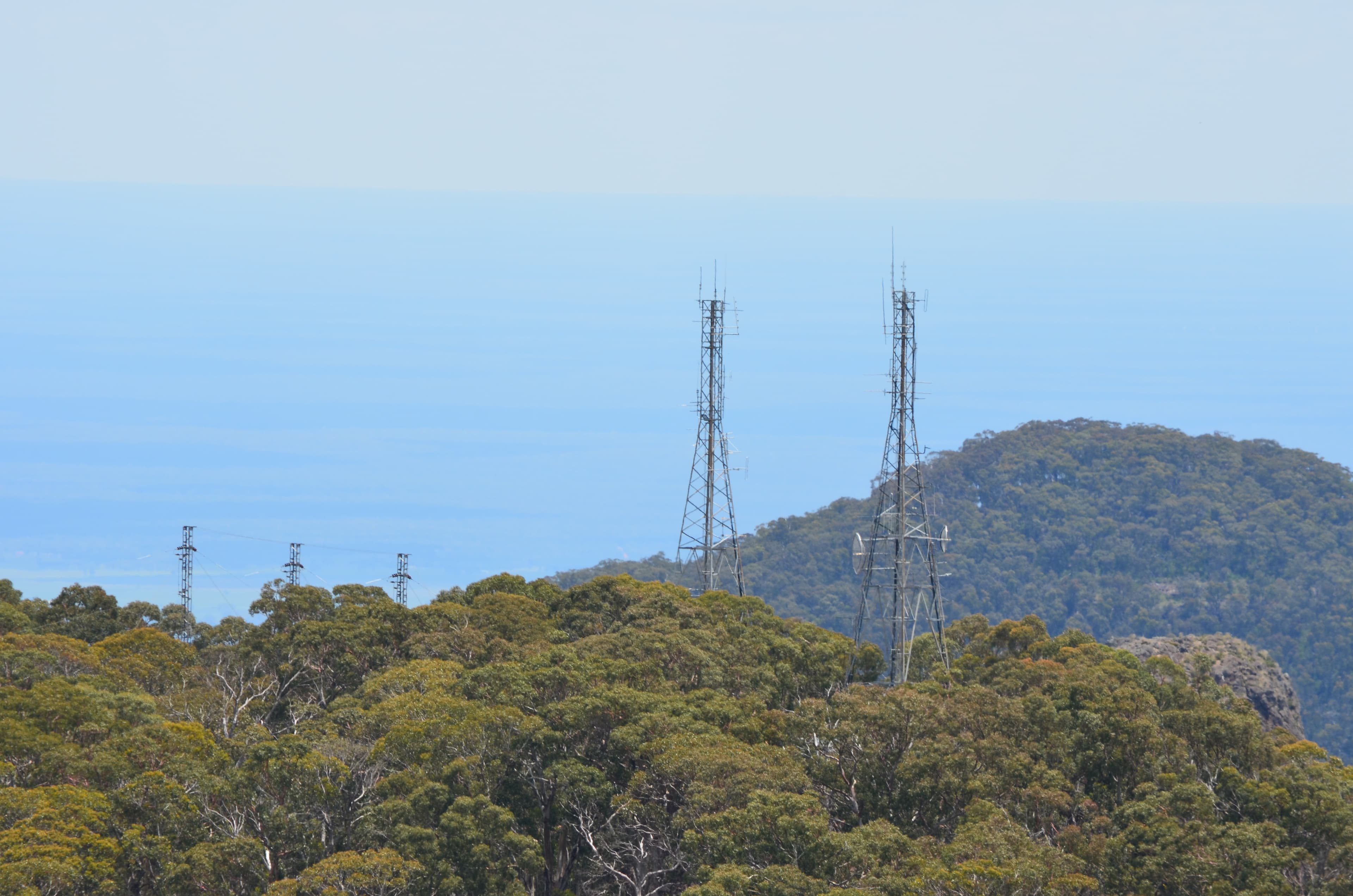
VK2RNW · Mount Kaputar
01 Program purpose
To assist NSW-based amateur radio clubs and provide broader access to new and emerging technologies, ARNSW formed the Radio Network Group to establish and operate a coordinated series of networked repeaters: ARNSW RadNET.
Shared equipment. Local knowledge. One coordinated network.
Give clubs and operators a practical path into DMR, network services, and modern repeater operation without every region starting alone.
ARNSW can extend material support, including repeaters and related equipment, to local clubs operating a service as part of RadNET.
Shared information, coordinated network integration, visible site status, and named custodians make the system easier to operate over time.
02 Partnership model
A repeater is more than a radio in a rack. It depends on a suitable location, RF engineering, reliable power and backhaul, local access, and people who can respond when conditions change. RadNET brings those responsibilities into one operating model.
Local ownership matters. The club or custodian understands the site, landlord, access conditions, and surrounding radio environment.
Coordination matters. Common network practices and visible technical information make separate sites operate as one useful service.
03 Network coverage
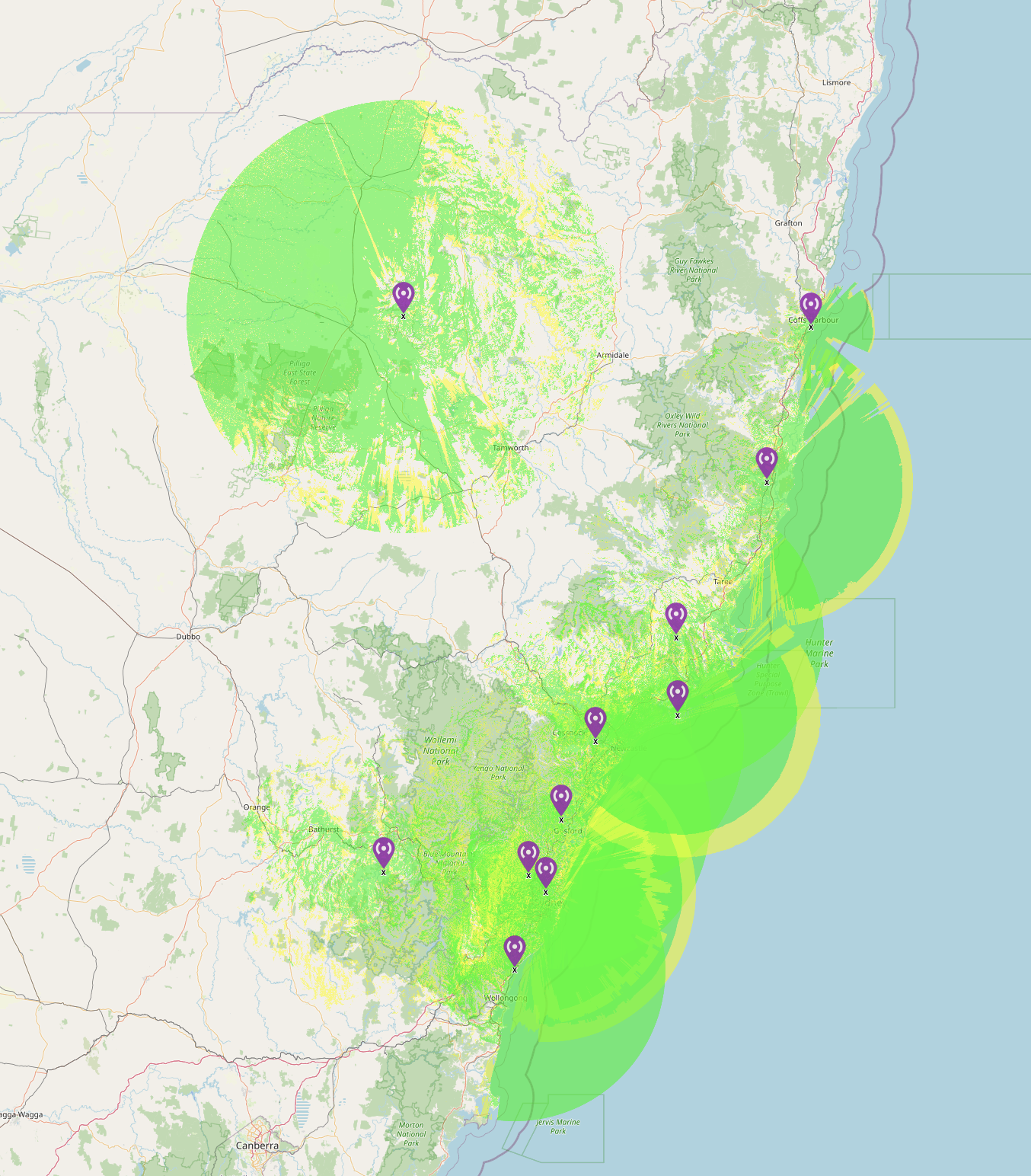
ARNSW aims for RadNET to serve the east coast of NSW as well as key inland regions. Each useful addition depends on terrain, site access, antenna placement, power, internet backhaul, and a club able to support the installation for the long term.
04 Real infrastructure
RadNET sites range from remote mountain facilities to urban rooftops and established club repeater rooms. The radio platform may be common, but every installation must solve its own antenna, power, environment, access, and backhaul constraints.
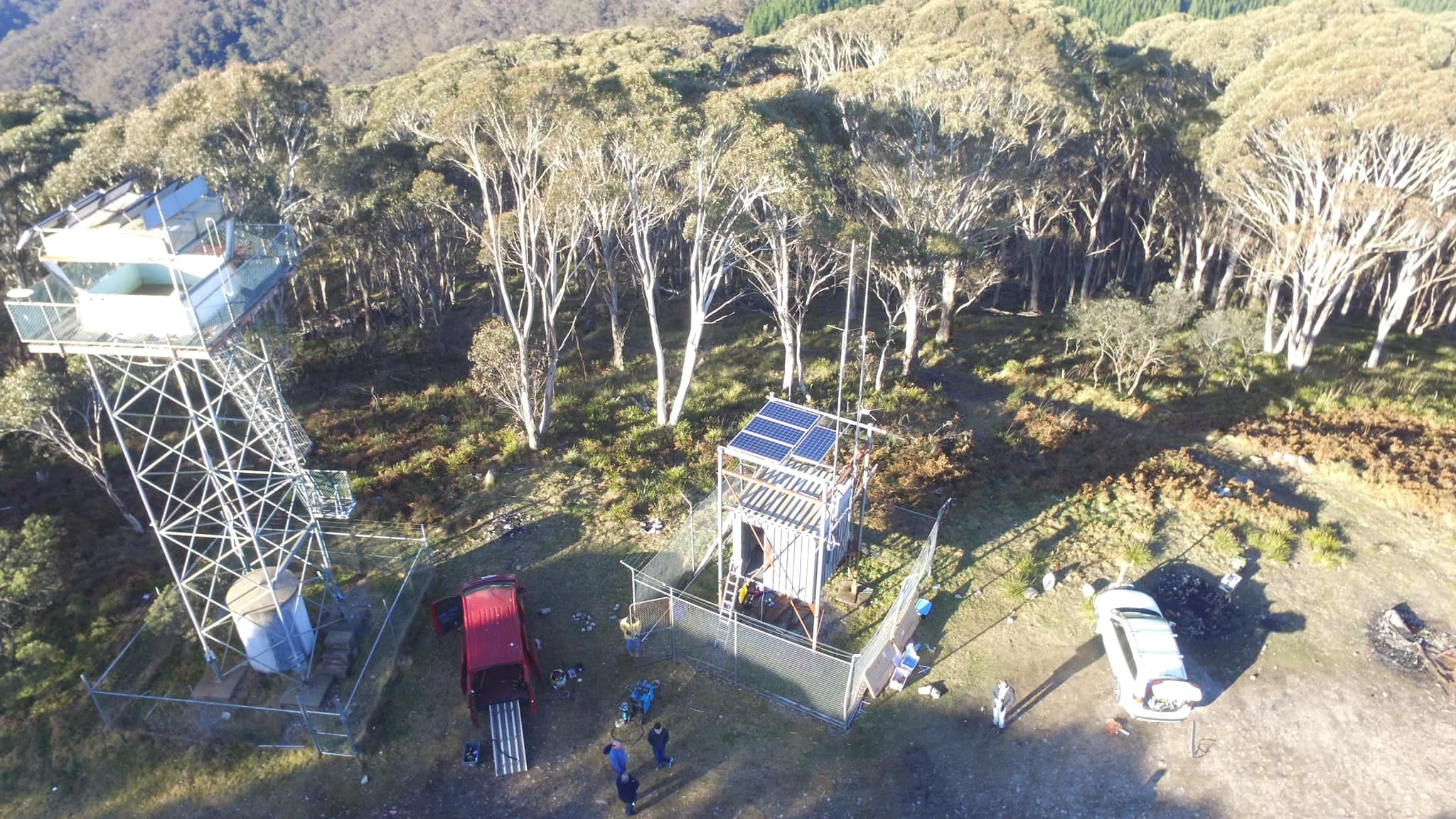 Remote mountain siteVK2RDX · Blue MountainsThe repeater hut, antenna structures, solar plant, and access area viewed from above.
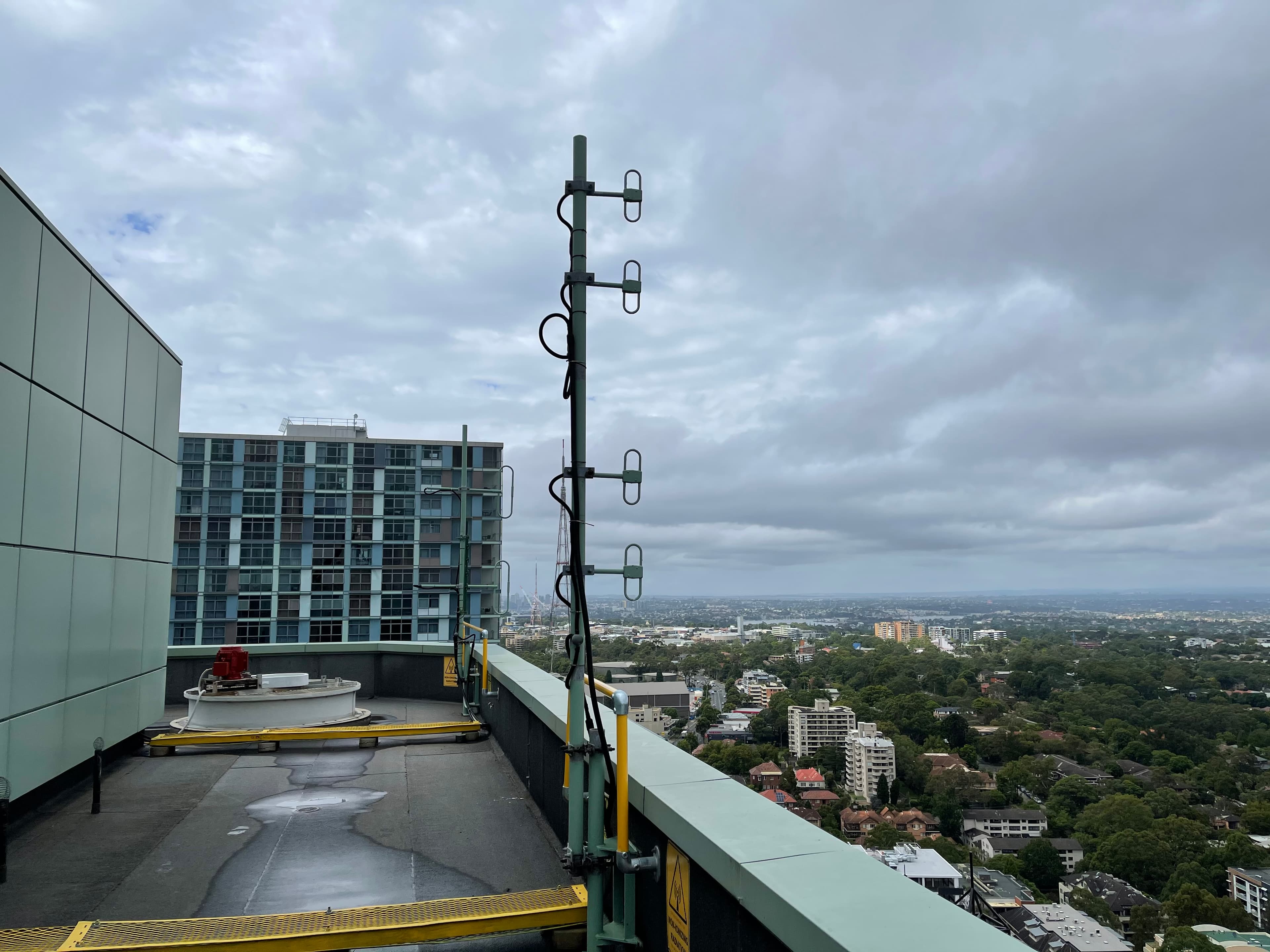 Urban rooftopVK2RHT · Sydney North ShoreAntenna infrastructure serving a dense metropolitan coverage area.
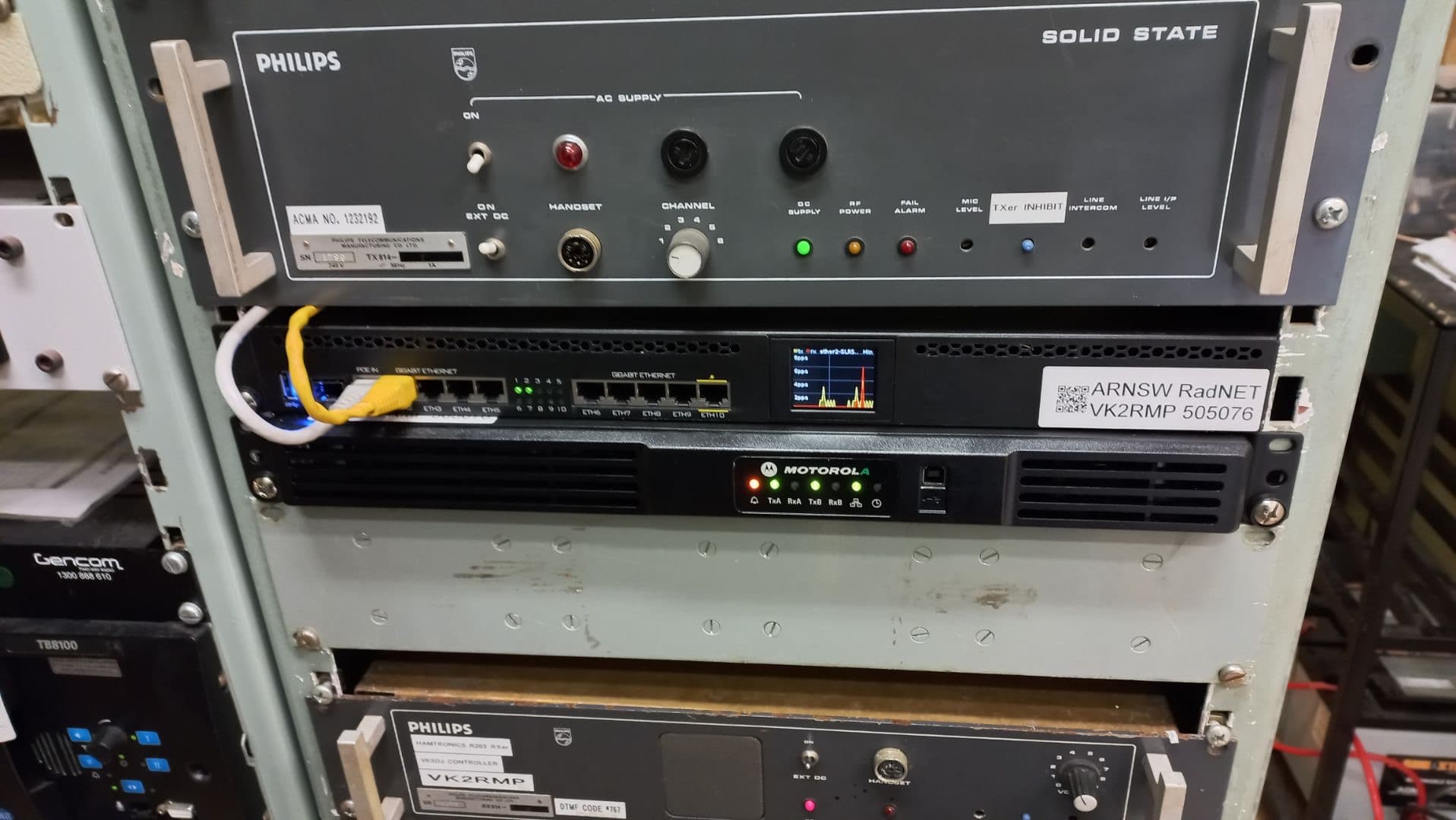 Repeater plantVK2RMP · South CoastRadNET equipment integrated into an established local repeater rack.
Define the service area, test the location, understand existing RF users, and confirm long-term site access.
Engineer the repeater, filtering, feeders, antenna, earthing, and physical installation as one complete path.
Provide suitable power, protection, and a network path reliable enough for continuous linked operation.
Monitor the service, document changes, respond to faults, and keep ARNSW and users informed of site conditions.
05 Information and status
These pages provide repeater and network status, individual site details, frequencies, coverage information, configuration tools, and practical guidance for connecting to the wider Australian DMR community through VKDMR.
Coordinates the RadNET program and can extend material support, including repeaters and associated equipment, to suitable club projects.
Provides the local relationships, site access, practical installation knowledge, and ongoing custodianship needed to keep a repeater useful.
Connects each participating site to common DMR services, current status information, configuration tools, and the wider VKDMR community.
06 Repeater application
Clubs interested in operating a repeater service as part of ARNSW RadNET can submit an expression of interest. A strong proposal explains both the technical opportunity and the people and resources that will keep the service operating.
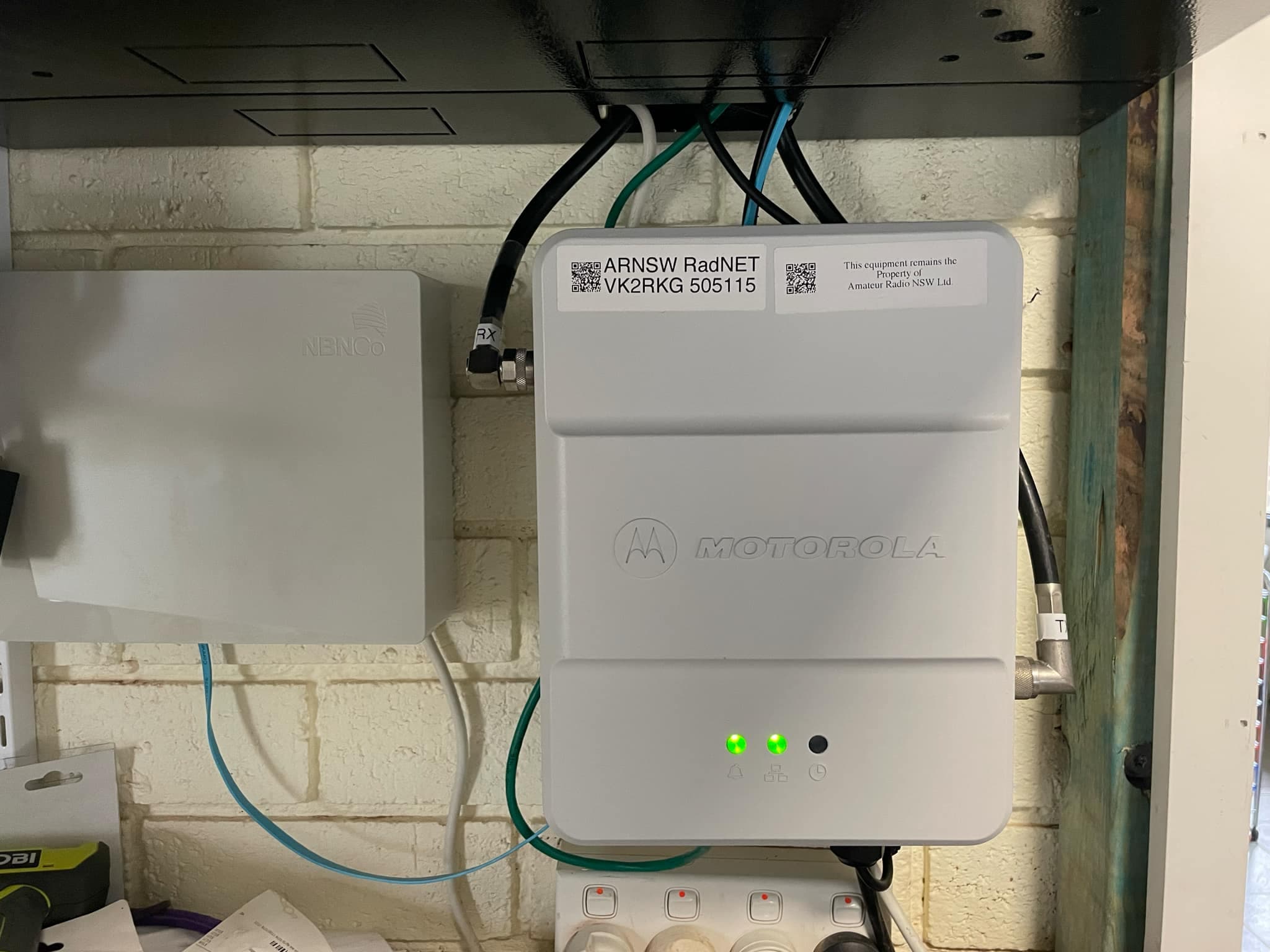 VK2RKG · Bathurst
A proposal should identify